Your menstrual cycle is much more than just “period days.” It is a monthly health report from your body that reflects your hormones, fertility, and overall well-being. When you understand how your cycle works, you can recognise what is normal, identify early warning signs, and seek timely help from a qualified gynecologist in Delhi.
In this blog, Dr. Mamta Agrawal, senior Obstetrician & Gynecologist in Delhi, explains each phase of the menstrual cycle in simple language, including common problems, when to worry, and how to keep your periods healthy.
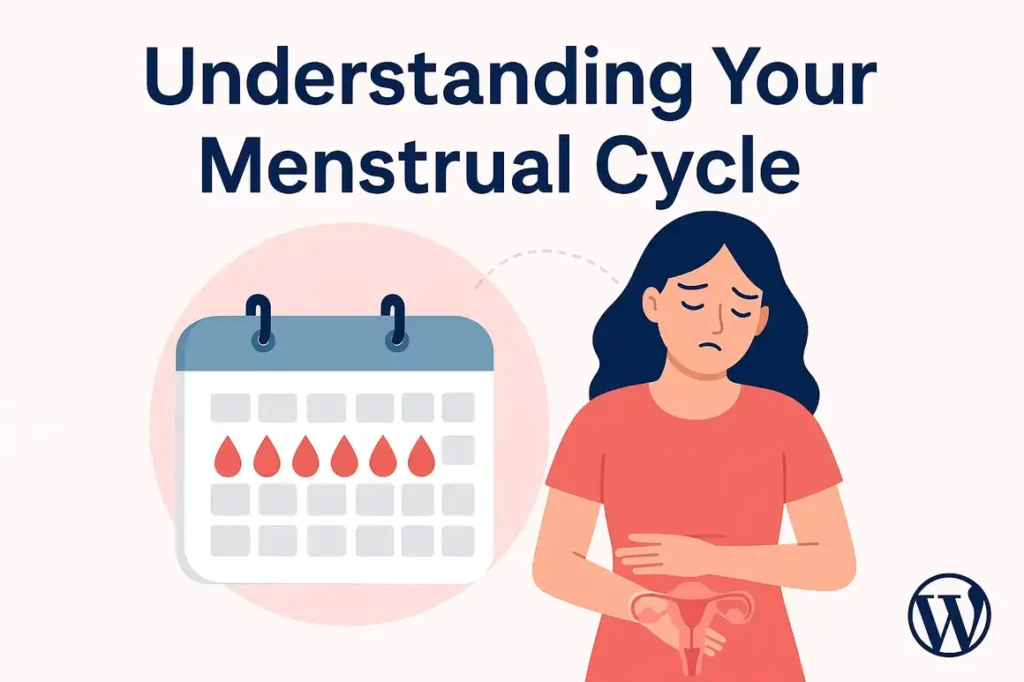
What Is a Menstrual Cycle?
The menstrual cycle is the time from the first day of one period to the first day of the next period. For most women, a normal cycle length is between 21 to 35 days, with bleeding lasting around 3–7 days. Some women are slightly shorter or longer, but what matters most is that your pattern is regular and predictable for you.
Your cycle is controlled by a finely balanced interaction between hormones from the brain (hypothalamus and pituitary gland) and the ovaries. These hormones tell the ovaries when to release an egg and instruct the uterus to prepare for a possible pregnancy.
Phases of the Menstrual Cycle
1. Menstrual Phase (Days 1–5)
This is when bleeding happens. The top layer of the uterine lining (endometrium) sheds because pregnancy has not occurred. Many women experience cramps, backache, breast heaviness, mood changes, or mild fatigue during this time. Light to moderate pain is common, but severe pain that affects your daily routine is not normal and may need evaluation for conditions like endometriosis or fibroids.
2. Follicular Phase (Days 1–13)
The follicular phase starts on the same day as your period and continues until ovulation. The brain releases follicle-stimulating hormone (FSH), which encourages several follicles (fluid-filled sacs containing immature eggs) in the ovaries to grow. One of these becomes the “dominant follicle,” preparing to release a mature egg.
During this time, estrogen levels gradually rise. Estrogen helps rebuild the uterine lining after menstruation and makes the cervix produce clearer, stretchy cervical mucus. This mucus helps sperm move easily through the reproductive tract, which is important for fertility.
3. Ovulation Phase (Around Day 14 in a 28-Day Cycle)
Ovulation is the release of a mature egg from the ovary. It occurs roughly 14 days before your next period, not always on “Day 14.” A surge in luteinizing hormone (LH) from the pituitary gland triggers ovulation. The egg then travels down the fallopian tube, where it may meet sperm and get fertilised.
Common signs of ovulation include:
- Mild one-sided lower abdominal pain (ovulation pain or “mittelschmerz”)
- Thin, stretchy, egg-white like cervical mucus
- Slight rise in basal body temperature
- Increase in sex drive for some women
If you are planning pregnancy, this is the most fertile window. Having intercourse every 1–2 days during this time increases the chances of conception. If you are unsure about your fertile days, your gynecologist can guide you based on your cycle pattern or advise ovulation tracking.
4. Luteal Phase (After Ovulation Until Next Period)
After the egg is released, the empty follicle in the ovary transforms into a structure called the corpus luteum. It produces progesterone, a hormone that stabilises and thickens the uterine lining to support a possible pregnancy.
If the egg is fertilised, it implants into the uterine lining and pregnancy begins. If fertilisation does not occur, the corpus luteum breaks down, progesterone levels drop, and the lining sheds as your next period.
Many women experience premenstrual symptoms (PMS) during the late luteal phase, such as mood swings, irritability, breast tenderness, bloating, acne, or food cravings. Mild PMS is common, but severe symptoms affecting daily life may be due to premenstrual dysphoric disorder (PMDD) and should be discussed with your doctor.
What Is a “Normal” Menstrual Cycle?
Normal can be different for each woman, but in general:
- Cycle length between 21–35 days
- Bleeding for 3–7 days
- Changing 3–5 pads per day on heavy days
- No large clots routinely
- Pain manageable with simple home measures or mild medication
Some variation from month to month is acceptable, especially during adolescence, breastfeeding, or around menopause. However, if your cycles suddenly change, become very irregular, or are associated with heavy pain or bleeding, it is important to consult a gynecologist near you.
Common Menstrual Problems You Should Not Ignore
1. Irregular Periods
Cycles that are consistently shorter than 21 days or longer than 35 days, or periods that come unpredictably, may indicate conditions like polycystic ovary syndrome (PCOS), thyroid disorders, high prolactin levels, or premature ovarian insufficiency. Lifestyle stress, weight changes, and certain medications can also affect regularity.
2. Heavy Menstrual Bleeding
Needing to change pads every 1–2 hours, passing large clots, or bleeding for more than 7 days can lead to anaemia and severe fatigue. Causes may include fibroids, adenomyosis, hormone imbalance, bleeding disorders, thyroid disease, or rarely, precancerous changes in the uterus. Heavy bleeding always deserves medical attention.
3. Very Painful Periods (Dysmenorrhoea)
Mild cramping is common, but pain that forces you to miss school, college, or work, or requires strong painkillers regularly, is not normal. Conditions like endometriosis, pelvic infections, or fibroids may be responsible. Early diagnosis can relieve pain and protect fertility.
4. Spotting Between Periods
Light spotting around ovulation might be harmless, but frequent or unexplained bleeding between cycles, after intercourse, or after menopause must be evaluated. It may indicate infections, cervical erosion, polyps, or rarely, cancerous changes.
5. Missed Periods
If you miss a period, the first possibility to consider is pregnancy—especially if you are sexually active. Other causes include stress, excessive exercise, crash dieting, PCOS, thyroid disease, high prolactin, or menopause. Repeated missed periods require a proper investigation plan.
How Lifestyle Affects Your Menstrual Cycle
Your daily habits have a powerful impact on cycle regularity and hormone balance.
- Weight and diet: Being significantly underweight or overweight can disturb ovulation. Eating a balanced diet rich in iron, calcium, and vitamins helps maintain healthy cycles.
- Exercise: Moderate physical activity improves circulation and reduces PMS symptoms, but extreme exercise can sometimes lead to missed periods.
- Stress: High emotional stress can interfere with hormone signals from the brain and delay or stop your period temporarily.
- Sleep: Poor sleep and shift work may affect hormones like melatonin and cortisol, which indirectly impact reproductive hormones.
- Smoking and alcohol: These can accelerate ovarian ageing and affect fertility as well as general health.
If you struggle with irregular cycles, painful periods, or difficulty conceiving, a combination of lifestyle changes and medical treatment usually gives the best results.
When Should You See a Gynecologist About Your Periods?
You should book an appointment with a gynecologist like Dr. Mamta Agrawal if you notice any of the following:
- Periods that are consistently irregular or very frequent/infrequent
- Heavy bleeding with clots or soaking pads every 1–2 hours
- Severe pain before or during periods that affects routine activities
- Bleeding between periods or after intercourse
- Periods that stopped for more than 3 months (and pregnancy is excluded)
- Very delayed first period (no periods even after age 15–16 years)
- Associated symptoms like excessive hair growth, significant weight gain, acne, or milk discharge from breast
Early evaluation can help diagnose conditions like PCOS, fibroids, endometriosis, thyroid disease, or hormonal imbalance. Timely treatment not only relieves symptoms but also protects your future fertility and overall health.
How a Gynecologist Evaluates Menstrual Problems
After a detailed history and physical examination, your doctor may suggest:
- Blood tests for haemoglobin, thyroid function, sugar levels, and hormones
- Pelvic ultrasound to look for fibroids, ovarian cysts, polycystic ovaries, or endometrial thickness
- Pap smear or HPV testing for cervical health (as per age and guidelines)
- Diagnostic hysteroscopy in selected cases
Treatment depends on the cause and may include lifestyle changes, hormonal or non-hormonal medicines, iron supplements, or minimally invasive procedures. The goal is always to restore a comfortable, regular cycle and safeguard your reproductive health.
Tips for Maintaining a Healthy Menstrual Cycle
- Maintain a healthy body weight and active lifestyle.
- Eat iron-rich foods like green leafy vegetables, jaggery, beans, eggs, and lean meat.
- Stay hydrated and limit excessive caffeine, sugary drinks, and junk food.
- Practice stress-management techniques like yoga, breathing exercises, or meditation.
- Avoid smoking and limit alcohol intake.
- Keep a period diary or use a menstrual tracking app to monitor patterns.
- Schedule regular gynecology check-ups, especially if you have PCOS, fibroids, or a family history of menstrual problems.
If you live in East Delhi, Noida or Ghaziabad and have concerns about your periods, you can book an appointment with Dr. Mamta Agrawal for a personalised evaluation and treatment plan.
Frequently Asked Questions (FAQ)
1. How many days delay in periods is normal?
A variation of up to 5–7 days from your usual date is generally acceptable. However, if your periods are delayed by more than a week regularly, or you miss cycles, it is better to consult a gynecologist to rule out pregnancy, PCOS, thyroid disorders, or other hormonal causes.
2. Is it normal to have clots during periods?
Passing very small clots occasionally can be normal. However, frequent large clots or soaking pads within 1–2 hours may indicate heavy menstrual bleeding, which needs medical assessment for fibroids, adenomyosis, or hormonal imbalance.
3. Can stress really delay periods?
Yes. Severe emotional or physical stress can temporarily disturb the hormones that control ovulation. This can lead to delayed or missed periods. If the problem persists beyond 2–3 cycles, seek professional advice rather than ignoring it.
4. When should a girl have her first gynecology visit?
Ideally, a girl should meet a gynecologist between the ages of 13–15 years, or earlier if she has very painful periods, heavy bleeding, delayed menarche, or any concerns about menstrual hygiene and reproductive health.
5. Can irregular cycles affect my chances of getting pregnant?
Yes. Irregular cycles often mean irregular ovulation, which can make it harder to conceive. PCOS, thyroid disorders, or high prolactin are common underlying causes. With proper diagnosis and treatment, many women with irregular periods are able to achieve a healthy pregnancy.
Suggested Image for This Blog
Image idea: A realistic, high-quality photo of a young woman comfortably discussing her period with a female gynecologist in a clinic setting, with a calendar or notepad visible in the background.
Recommended image title: understanding-your-menstrual-cycle-dr-mamta-agrawal
Recommended alt text: “Young woman consulting a gynecologist in Delhi to understand her menstrual cycle”
Disclaimer: This article is for patient education and does not replace a personalised consultation with a qualified gynecologist.
