Why regular gynaecologist visits are important
Women’s health is influenced by hormones, lifestyle, stress, pregnancy, childbirth and age. Many conditions such as polycystic ovarian syndrome (PCOS), fibroids, endometriosis, infections and even early cancer can remain silent for a long time. A gynaecologist is trained to pick up these issues through history, examination and appropriate investigations.
International bodies like the American College of Obstetricians and Gynecologists (ACOG) recommend that women should have their first gynaecology visit in their teenage years and continue regular check-ups throughout life. In India, many women visit only during pregnancy, but expert care is needed at every stage – from puberty to menopause and beyond.
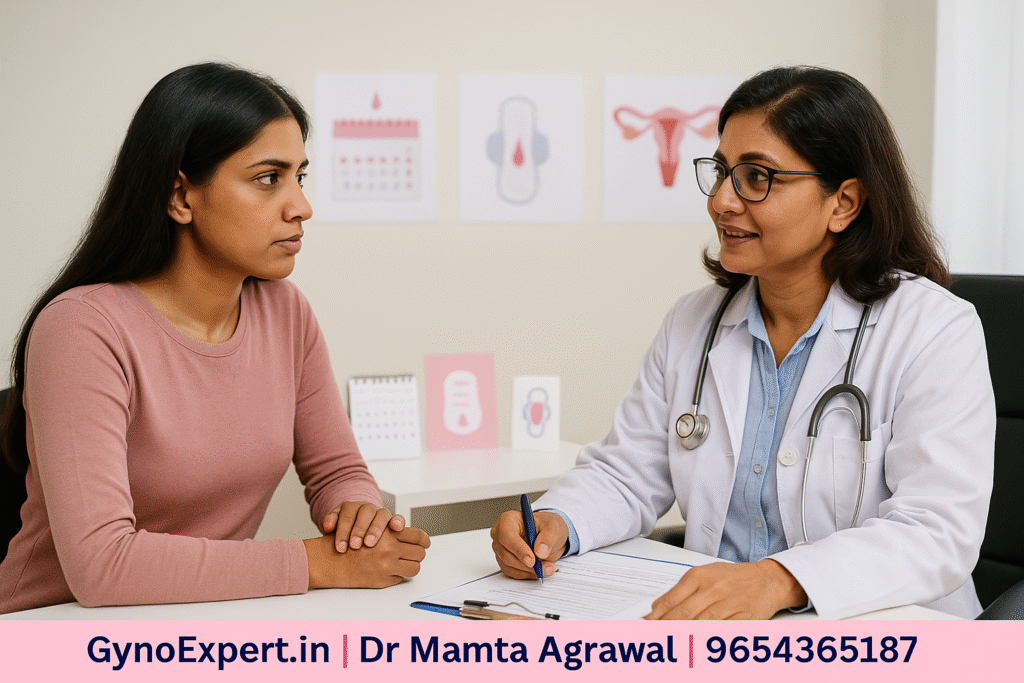
Top 10 signs you should see a gynaecologist
1. Irregular, very heavy or very painful periods
Menstrual irregularities are among the most common reasons to consult a gynaecologist. Warning signs include:
- Cycles shorter than 21 days or longer than 35 days on a regular basis
- Very heavy bleeding, passing large clots or needing to change pads every 1–2 hours
- Severe cramping that interferes with work, school or sleep
- Bleeding lasting more than 7 days
These may indicate conditions like PCOS, fibroids, adenomyosis, endometriosis, thyroid disorders or clotting problems. Do not ignore them or rely only on painkillers. A detailed evaluation and ultrasound may be required. To understand what a normal cycle looks like, you can also read our blog on understanding your menstrual cycle.
2. Missed periods or sudden change in cycle pattern
Missing periods can sometimes be due to pregnancy, which is why a pregnancy test is the first step if you are sexually active. But persistent absence of menstruation (amenorrhoea) or sudden changes – such as cycles becoming very infrequent or stopping altogether – need investigation.
Possible causes include hormonal imbalance, PCOS, stress, rapid weight changes, thyroid problems, premature ovarian insufficiency (early menopause) or certain medicines. Early diagnosis helps protect bone health, fertility and long-term hormonal balance.
3. Unusual vaginal discharge, itching or odour
Vaginal discharge is normal in small amounts and is usually clear or whitish without strong smell. You should consult a gynaecologist if you notice:
- Thick, curdy white discharge with intense itching (common in yeast infection)
- Yellow, green or grey discharge with foul odour
- Pain, burning or bleeding during intercourse
- Redness, swelling or sores in the genital area
These symptoms may be caused by bacterial vaginosis, fungal infection, sexually transmitted infections (STIs) or cervical problems. Self-treatment with over-the-counter creams can mask symptoms and delay proper diagnosis. A gynaecologist will examine you, take appropriate swabs and prescribe targeted treatment.
4. Pelvic pain, bloating or feeling of heaviness
Persistent pain or a feeling of heaviness in the lower abdomen or pelvis, especially if associated with bloating or backache, should not be ignored. It may be due to:
- Fibroids in the uterus
- Endometriosis or adenomyosis
- Pelvic inflammatory disease (PID)
- Ovarian cysts or, rarely, ovarian tumour
A gynaecologist will assess the nature of pain, menstrual pattern and associated symptoms, and may advise ultrasound or further tests. Early treatment can prevent chronic pain and fertility problems.
5. Pain during intercourse or bleeding after intercourse
Sex should not be consistently painful. Discomfort may be due to dryness, infection, endometriosis or psychological factors, but it can also signal more serious issues like pelvic disease or cervical pathology. Bleeding after intercourse (post-coital bleeding) must always be evaluated to rule out cervical lesions, polyps or early cancer.
A gentle examination, Pap smear and appropriate treatment can usually resolve these problems and restore comfortable, healthy sexual life.
6. Difficulty in conceiving or history of miscarriages
If you have been trying for pregnancy for a year (or for six months if you are above 35 years) without success, it is time to consult a gynaecologist or fertility specialist. You should also seek early opinion if you have:
- Irregular or absent periods
- Previous pelvic infection or surgery
- Known PCOS, thyroid or prolactin disorder
- Two or more miscarriages
Your doctor will evaluate both partners, check ovulation, tubal patency and semen parameters, and suggest appropriate treatment. For detailed guidance on planning pregnancy, you can read our article on preparing for pregnancy – essential tips for women.
7. Breast changes, lumps or nipple discharge
Every woman should practice regular breast self-examination to know what is normal for her. You must see a gynaecologist or breast specialist if you notice:
- A new lump or thickening in the breast or underarm
- Change in size, shape or skin (dimpling, redness, peau d’orange)
- Nipple retraction (turning inward) or rash around the nipple
- Spontaneous bloody or clear nipple discharge
Most breast lumps are benign, but early evaluation with ultrasound or mammogram is crucial to rule out cancer. Screening recommendations from organisations like American Cancer Society emphasise timely clinical breast examination and mammography, especially after 40 years of age.
8. Urinary leakage, urgency or recurrent infections
Frequent urination, burning, difficulty in holding urine, or leakage when coughing, laughing or exercising can significantly affect your quality of life. These symptoms may be due to urinary tract infection, pelvic floor weakness after childbirth, overactive bladder, or, less commonly, neurological problems.
Many women feel embarrassed and suffer silently, but effective treatments are available – from pelvic floor exercises and lifestyle changes to medicines or minimally invasive procedures. A gynaecologist or uro-gynaecologist will guide you after proper assessment.
9. Unexplained weight gain, excessive facial hair or acne
Hormonal imbalance, especially PCOS, can present with gradual weight gain, acne, oily skin and unwanted hair growth on the face, chest or abdomen. Periods may be irregular or normal in early stages. PCOS is linked to insulin resistance, diabetes, infertility and long-term metabolic problems if untreated.
If you notice such changes, consult a gynaecologist early. Lifestyle modification, weight management and tailored medication can control symptoms, improve fertility and protect long-term health.
10. Abnormal bleeding after menopause
Once a woman has reached menopause and periods have stopped completely, any fresh bleeding or spotting must be treated as abnormal until proven otherwise. Post-menopausal bleeding can be caused by hormone therapy, fibroids or polyps, but it may also indicate precancerous changes or endometrial cancer.
Do not ignore even a single episode. A gynaecologist will examine you, perform ultrasound and may recommend endometrial sampling or hysteroscopy to identify the cause. Early diagnosis greatly improves treatment outcomes.
How often should you see a gynaecologist if you have no symptoms?
Even if you feel healthy, regular visits are important for preventive care. In general:
- Young women should have annual check-ups, especially if sexually active.
- Women between 25–65 years should follow a schedule for Pap smear / HPV testing as advised.
- After 40, breast screening and perimenopause counselling become important.
During these visits, your doctor checks blood pressure, BMI, menstrual pattern, contraception, vaccination status and screens for common conditions like anaemia, thyroid disease and diabetes. Preventive care helps you stay healthy at every stage of life.
When to seek emergency gynaecological care
While many problems can be addressed in a routine appointment, some symptoms require urgent attention:
- Sudden severe lower abdominal pain with fainting or dizziness
- Very heavy bleeding with weakness or shortness of breath
- Positive pregnancy test with pain or spotting (possible ectopic pregnancy)
- High fever with foul-smelling discharge or severe pelvic pain
If you experience these, visit an emergency department or contact your nearest hospital immediately.
Summary – Listen to your body and seek timely help
Your body often sends early signals when something is not right. Ignoring gynaecological symptoms or self-medicating can delay diagnosis and make treatment more complicated. If you notice any of the 10 warning signs discussed above, or if you simply feel that “something is not normal”, do not hesitate to consult a qualified gynaecologist.
With timely evaluation, most conditions can be treated effectively, helping you preserve fertility, enjoy pain-free periods and maintain good sexual and reproductive health. Make your gynaecologist your long-term health partner, not someone you meet only during pregnancy.
Frequently Asked Questions (FAQs)
1. How often should I see a gynaecologist if I feel healthy?
Most women should have a preventive gynaecology check-up at least once a year. Your doctor will review your menstrual cycle, screen for common conditions, update your Pap smear and advise blood tests or ultrasound if necessary. Women with chronic illnesses or previous gynaecological problems may need more frequent visits.
2. Is it normal to have painful periods?
Mild cramping during periods is common, but severe pain that limits your daily activities, requires strong painkillers or causes you to miss work or school is not normal. Such pain can be caused by endometriosis, adenomyosis, fibroids or infection and should be evaluated by a gynaecologist.
3. When should I worry about vaginal discharge?
You should consult a doctor if discharge is associated with itching, burning, bad odour, a change in colour (yellow, green, grey or blood-stained) or pain during intercourse. Normal physiological discharge is usually clear or whitish and does not cause discomfort or smell.
4. After how many months of trying should a couple seek fertility advice?
If you are younger than 35 and have no known medical issues, you may try for pregnancy for up to 12 months before seeking help. If you are 35 or older, or if either partner has known reproductive or medical problems, you should consult a gynaecologist or fertility specialist after 6 months of regular unprotected intercourse without pregnancy.
5. What should I prepare before my first gynaecology visit?
Make a note of the first and last day of your recent periods, list any medicines and supplements you take, and write down your main concerns and questions. If you have previous reports, ultrasound or operative notes, carry them along. This information helps your gynaecologist assess your condition more accurately.
Suggested image for this blog
Image idea: A realistic image of a confident Indian woman sitting in a gynaecologist’s consultation room, with soft focus icons or posters representing different symptoms (calendar for irregular periods, droplet for heavy bleeding, pelvic pain icon, breast awareness ribbon). The overall tone should be reassuring and professional.
Recommended image file name: top-10-signs-you-should-see-a-gynaecologist-dr-mamta-agrawal.webp
Recommended image title: Top 10 Signs You Should See a Gynaecologist – Dr Mamta Agrawal
Recommended image alt text: Indian woman discussing gynaecological symptoms with specialist Dr Mamta Agrawal in a clinic
Disclaimer: This article is meant for general patient education and should not be used as a substitute for a personalised consultation with a qualified gynaecologist.
