Why preparing for pregnancy matters
Many pregnancies are planned, but preparation often begins only after the pregnancy test is positive. By that time, the baby’s brain, spine and major organs have already started forming. Nutritional deficiencies, uncontrolled medical problems, infections, medicines and lifestyle habits during this early period can affect your baby’s growth. Pre-pregnancy care, also called preconception care, helps you correct these risk factors in advance so that you enter pregnancy in the best possible health.
Global organisations like the World Health Organization (WHO) and CDC emphasise that good preconception health can reduce complications such as miscarriage, birth defects, preterm birth, low birth weight and pregnancy-induced hypertension. Preparing even three to six months before conception can make a big difference.
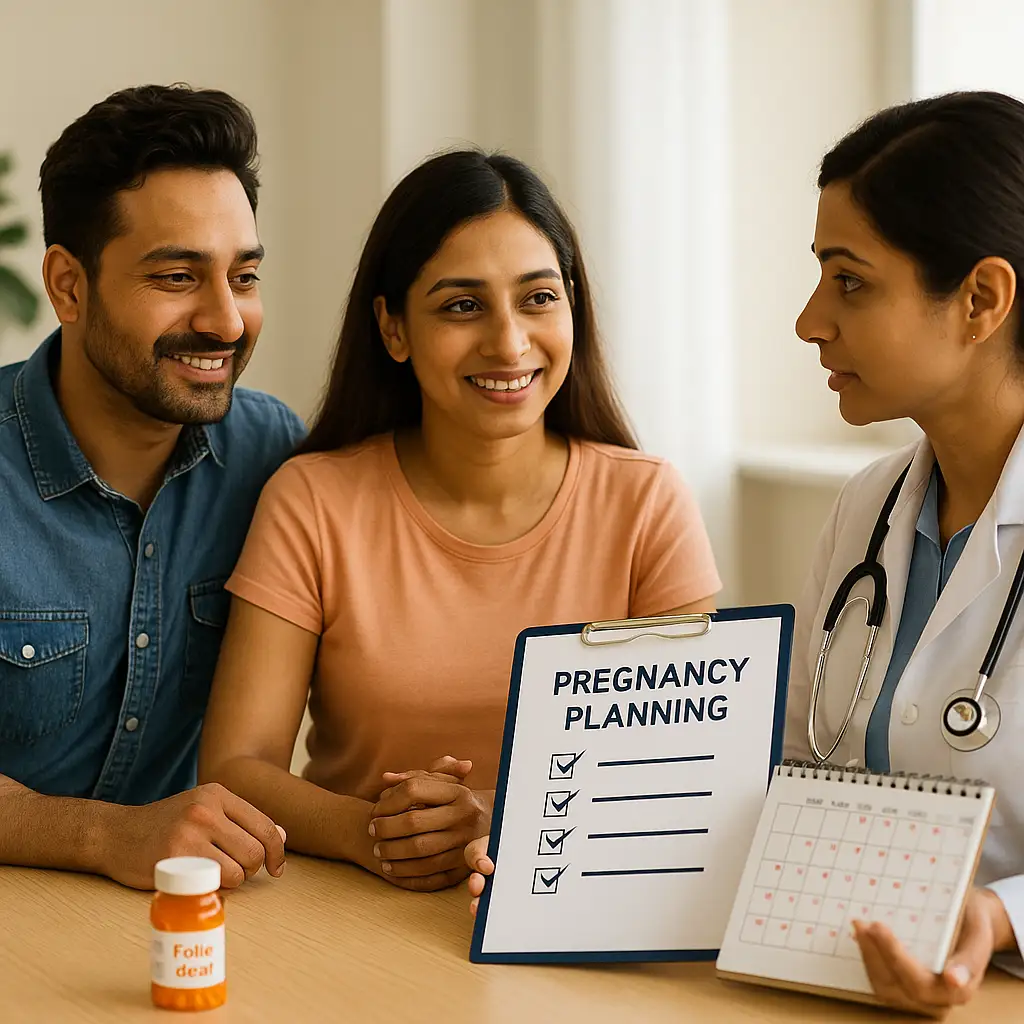
1. Schedule a pre-pregnancy check-up with your gynecologist
Your first step should be a detailed consultation with an experienced gynecologist. During this visit, Dr Mamta Agrawal will review your medical history, menstrual pattern, family history and previous pregnancies, if any. She may suggest:
- General physical examination and pelvic examination
- Blood tests for haemoglobin, thyroid, blood sugar, vitamin D, rubella immunity and other infections as needed
- Screening for PCOS, fibroids, endometriosis or other gynecological conditions
- Update of cervical cancer screening (Pap smear/HPV test) if due
This visit is also the right time to discuss any long-term medicines, contraception, previous miscarriages or fertility concerns. Early evaluation allows time to stabilise medical problems before you conceive.
2. Understand your menstrual cycle and ovulation
Knowing when you ovulate helps you time intercourse correctly and improves your chances of conceiving. A typical cycle is 26–32 days long, with ovulation occurring about 14 days before the next period. If your cycles are irregular, ovulation may be unpredictable and needs medical assessment.
You can track your cycle by:
- Maintaining a period calendar or mobile app for at least three months
- Observing cervical mucus changes around mid-cycle
- Using urine ovulation predictor kits when advised
If your periods are very painful, heavy, extremely short/long or irregular, it may signal underlying issues like PCOS, thyroid problems or endometriosis. In that case, read our detailed blog on understanding your menstrual cycle and seek a consultation for proper diagnosis.
3. Start folic acid and optimise your nutrition
Folic acid is a key pre-pregnancy supplement. Most guidelines recommend at least 400 mcg of folic acid daily starting 3 months before conception to reduce the risk of neural tube defects in the baby. Women with previous affected pregnancies, epilepsy medicines, obesity or diabetes may need a higher dose prescribed by the gynecologist.
Along with folic acid, focus on balanced nutrition:
- Include iron-rich foods (green leafy vegetables, lentils, jaggery, dates, lean meat) to prevent anaemia.
- Add calcium and vitamin D sources such as milk, curd, paneer, sesame seeds and safe sun exposure.
- Eat at least 5 servings of colourful fruits and vegetables daily for antioxidants.
- Choose whole grains, millets and high-fibre foods to maintain healthy weight and blood sugar.
- Limit junk food, packaged snacks, sugary drinks and trans-fats.
If you are underweight or overweight, your doctor will help you set realistic weight goals. Achieving a BMI close to the healthy range before pregnancy can reduce the risk of gestational diabetes, hypertension and caesarean birth.
4. Manage existing medical conditions
Conditions like diabetes, high blood pressure, thyroid disorders, epilepsy, kidney disease, asthma and autoimmune diseases must be carefully controlled before pregnancy. Uncontrolled medical problems can increase the risk of miscarriage, growth problems in the baby and complications during delivery.
Never stop or change medicines on your own. Instead:
- Discuss pregnancy plans with your treating physician and gynecologist together.
- Shift to pregnancy-safe medicines when required and avoid drugs that can harm the baby.
- Check blood pressure, blood sugar and thyroid levels regularly.
Well-controlled chronic illnesses can still allow a safe and healthy pregnancy with proper planning and specialist care.
5. Review your vaccinations and infections
Before pregnancy, your doctor may recommend vaccines such as rubella, hepatitis B, influenza or others depending on your risk profile. Certain vaccines cannot be given after conception, so it is ideal to complete them beforehand and wait for the advised interval before trying for pregnancy.
You may also be screened for infections such as rubella, hepatitis B, HIV, syphilis or urinary tract infection. Treating infections before conception reduces complications for both mother and baby.
6. Stop smoking, alcohol and recreational drugs
Smoking, alcohol and recreational drugs are strongly linked with poor fertility, miscarriage, placental problems, premature delivery and growth restriction in the baby. Men who smoke heavily may also have poor sperm quality.
Ideally, both partners should stop:
- Smoking (including e-cigarettes and passive smoke)
- Alcohol intake
- Recreational or non-prescribed drugs
If quitting is difficult, seek professional help, counselling or de-addiction services. Remember, there is no safe level of tobacco or alcohol during pregnancy.
7. Prioritise mental health, sleep and stress management
Trying to conceive can be emotionally demanding. Chronic stress, anxiety and depression can disturb hormones and ovulation, and may continue into pregnancy and the postpartum period. Preparing emotionally is just as important as physical preparation.
Healthy habits include:
- 7–8 hours of regular, good-quality sleep at night
- Daily physical activity such as brisk walking, yoga or low-impact exercise
- Relaxation techniques like deep breathing, meditation or mindfulness
- Open communication with your partner about expectations, responsibilities and financial planning
- Seeking counselling or therapy if you have a history of anxiety, depression or trauma
8. Check your dental and general health
Untreated dental infections, gum disease or chronic infections can flare up during pregnancy. A simple dental check-up and treatment before conceiving can prevent emergencies later. Eye check-up, general physical examination and updating routine health tests are also advisable, especially if you are above 30 years of age.
9. Plan your medicines, supplements and lifestyle with your doctor
Many women take painkillers, acne medicines, weight-loss pills or herbal supplements without realising they could affect fertility or pregnancy. Always inform your gynecologist about every prescription medicine, over-the-counter tablet and supplement you use.
She will help you decide what to continue, stop or replace. Do not start any new medicine on your own while trying for pregnancy.
10. When should you consult a gynecologist for fertility evaluation?
If you are healthy and under 35 years, you may try naturally for up to one year. However, you should seek earlier evaluation if:
- There is no pregnancy after 6 months of trying and your age is 35 years or more
- Your periods are highly irregular or absent
- You have a history of pelvic surgery, severe endometriosis, fibroids or tubal disease
- Your partner has known sperm problems or previous testicular surgery
- You have had two or more miscarriages
Early assessment can detect hormonal problems, tubal blocks, low egg reserve or sperm issues and allows timely fertility treatment when needed.
Key takeaways – Preparing for pregnancy
- Start planning at least 3–6 months before trying to conceive.
- Book a pre-pregnancy check-up with an experienced gynecologist.
- Track your periods and ovulation, and correct menstrual irregularities.
- Take folic acid and follow a balanced, nutrient-dense diet.
- Normalise weight, control chronic diseases and stop tobacco, alcohol and drugs.
- Update vaccinations and treat infections before conception.
- Look after your emotional health, sleep and relationship.
With thoughtful planning and expert guidance, most women can enjoy a healthy pregnancy journey. If you are preparing for pregnancy and would like personalised advice, consult Dr Mamta Agrawal, Gynecologist & Obstetrician in Delhi, for a comprehensive preconception assessment.
Frequently Asked Questions (FAQs)
1. When should I start preparing for pregnancy?
Ideally, you should start preparing at least 3–6 months before trying to conceive. This gives enough time to correct nutritional deficiencies, stabilise medical conditions, update vaccinations and adopt healthy lifestyle changes.
2. Do I need folic acid even if my diet is good?
Yes. Even with a healthy diet, it is difficult to get the recommended amount of folate through food alone. A daily folic acid supplement of at least 400 mcg before conception and in early pregnancy significantly lowers the risk of neural tube defects in the baby.
3. Can I drink occasionally while trying to conceive?
It is safest to avoid alcohol completely when you are planning pregnancy. You may conceive in a cycle without realising it, and alcohol intake during early pregnancy may affect the baby’s development.
4. Is it harder to get pregnant after 35?
Fertility naturally declines with age, especially after 35. Egg quantity and quality reduce and the risk of genetic problems increases. Women above 35 should seek pre-pregnancy counselling early and, if not pregnant within six months of trying, should consult a fertility specialist.
5. How often should we have intercourse while trying for pregnancy?
Having intercourse every 1–2 days during your fertile window (about 4–5 days around ovulation) is usually sufficient. There is no need for daily intercourse throughout the cycle. Your gynecologist can help you identify your most fertile days based on your menstrual pattern.
Click hereFor further reading cdc
Click here for further reading nichd
Suggested image for this blog
Image idea: A realistic illustration of a young Indian woman holding a small checklist or planner, with icons representing healthy food, exercise, folic acid tablets and a calendar marked with ovulation days. Background can show a soft clinic setting to reflect professional guidance.
Recommended image file name: preparing-for-pregnancy-essential-tips-dr-mamta-agrawal.webp
Recommended image title: Preparing for Pregnancy – Essential Tips for Women by Dr Mamta Agrawal
Recommended image alt text: Indian woman preparing for pregnancy with checklist of essential health tips by Dr Mamta Agrawal
Disclaimer: This article is for patient education only and does not replace an in-person consultation with a qualified gynecologist. Please discuss your individual medical problems with your doctor.
