Author name: Dr Mamta Agrawal

Dr. Mamta Agrawal is a Consultant Gynaecologist and Obstetrician with over 29 years of clinical experience in women's healthcare. She specializes in pregnancy care, high-risk pregnancy management, PCOS, menstrual disorders, infertility evaluation, menopause care, family planning, minimally invasive gynaecological procedures, and safe abortion services. Dr. Agrawal is committed to providing evidence-based, compassionate care and regularly shares reliable medical information to help women make informed healthcare decisions at every stage of life.

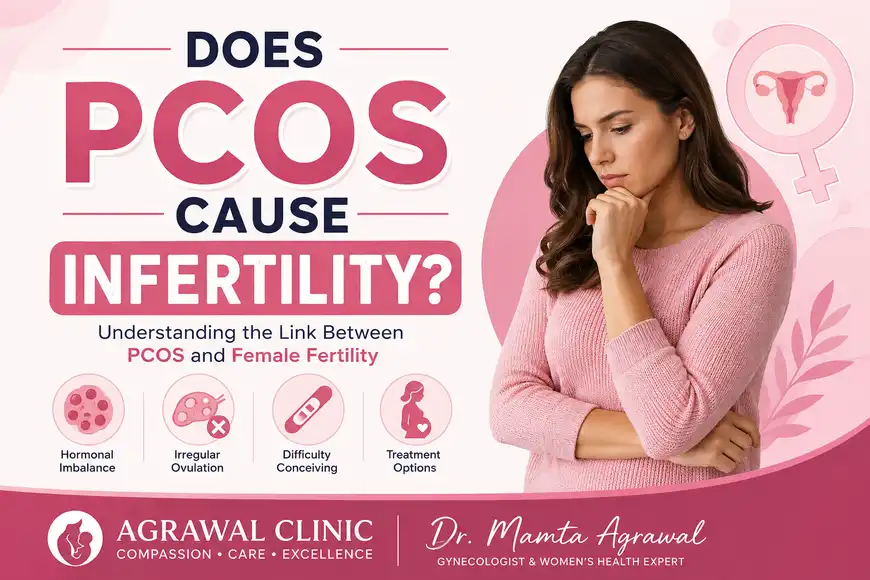
Does PCOS Cause Infertility? Understanding the link between PCOS, ovulation problems, and female fertility – Agrawal Clinic Dr Mamta Agrawal
infertility

Does PCOS Cause Infertility? Understanding the Link Between PCOS and Female Fertility

PCOS is one of the leading causes of ovulation-related infertility, but it does not mean pregnancy is impossible. This comprehensive guide explains how Polycystic Ovary Syndrome affects fertility, the signs of infertility in PCOS, available treatment options, lifestyle changes, fertility medications, and pregnancy success rates to help women improve their chances of conception.

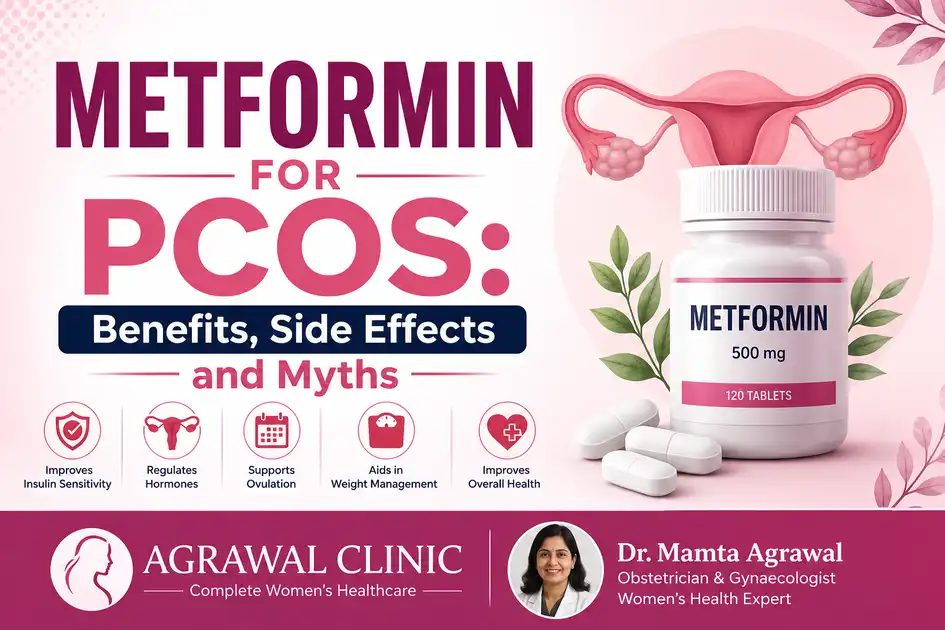
Metformin for PCOS benefits side effects and myths explained with medication bottle and female reproductive system illustration by Dr Mamta Agrawal at Agrawal Clinic
infertility

Metformin for PCOS: Benefits, Side Effects and Myths

Metformin is one of the most commonly prescribed medications for Polycystic Ovary Syndrome (PCOS). This comprehensive guide explains how Metformin works, its benefits for insulin resistance, weight management, fertility, and menstrual regulation, along with potential side effects, dosage recommendations, safety considerations, and common myths surrounding its use in PCOS treatment.

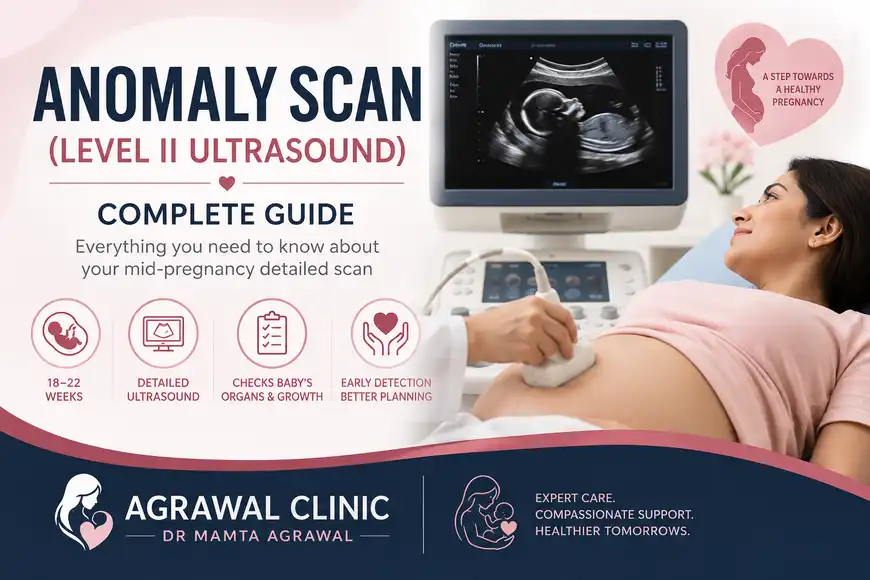
Anomaly Scan (Level II Ultrasound) during pregnancy between 18 and 22 weeks showing detailed fetal anatomy assessment.
Pregnancy

Anomaly Scan (Level II Ultrasound): Complete Guide

The Anomaly Scan (Level II Ultrasound) is one of the most important tests during pregnancy, usually performed between 18 and 22 weeks. This comprehensive guide explains what the scan checks, when it is done, how to prepare, what abnormalities it can detect, its limitations, and why it is essential for monitoring your baby’s healthy development.

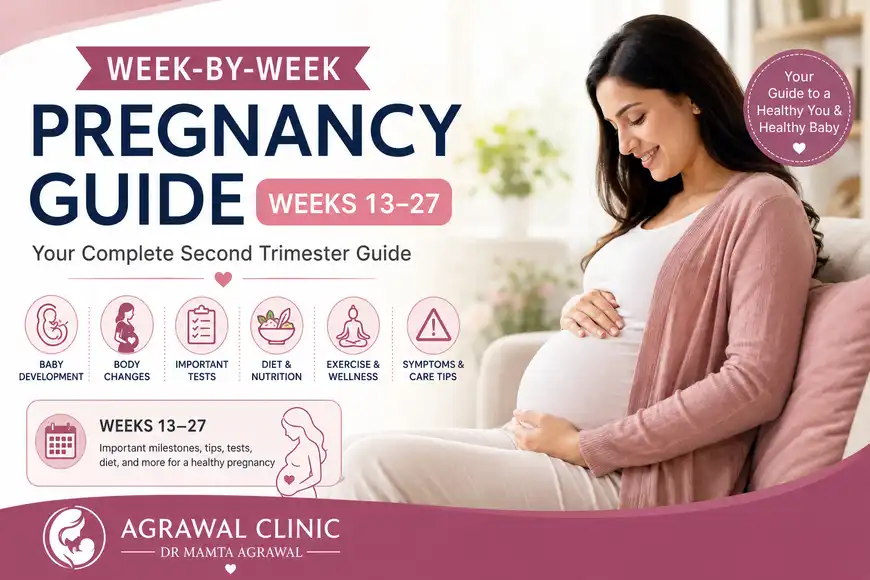
Week-by-week pregnancy guide for weeks 13 to 27 showing second trimester baby development and maternal changes.
Pregnancy

Week-by-Week Pregnancy Guide (Weeks 13–27)

The second trimester (Weeks 13–27) is often considered the most comfortable stage of pregnancy, as morning sickness usually subsides and your baby’s growth accelerates. This comprehensive week-by-week pregnancy guide explains what happens during each week, from your baby’s development and first movements to the physical changes you’ll experience. Learn about important prenatal tests, including the anomaly scan, healthy weight gain, nutrition, exercise, fetal milestones, and common symptoms such as back pain, heartburn, and leg cramps. You’ll also find practical tips for maintaining a healthy pregnancy, recognizing warning signs that require medical attention, and preparing for the third trimester. Whether you’re a first-time mother or have been pregnant before, this guide provides reliable, doctor-reviewed information to help you understand every stage of your second trimester and support your baby’s healthy development.


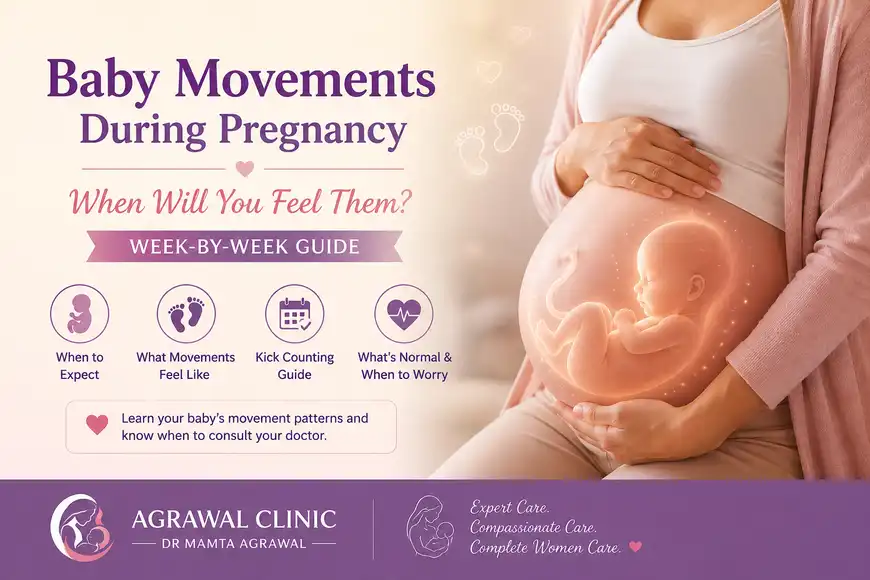
Pregnant woman feeling baby movements during pregnancy with illustration of baby in the womb and week-by-week fetal movement guide.
Pregnancy

Baby Movements During Pregnancy: When Will You Feel Them?

Baby movements are one of the most reassuring signs of a healthy pregnancy. Learn when you’ll first feel your baby move, what fetal kicks feel like, how to count baby movements, what is considered normal, and when reduced movements require immediate medical attention. This complete guide helps expectant mothers confidently monitor their baby’s well-being throughout pregnancy.

Scroll to Top