Living with Polycystic Ovary Syndrome (PCOS) can feel overwhelming. Many women struggle with irregular periods, weight gain, acne, excessive hair growth, difficulty conceiving, and mood changes despite trying different diets and medications.
While treatment plans often include medicines and dietary changes, exercise is one of the most effective natural therapies for PCOS. Regular physical activity improves insulin sensitivity, helps regulate hormones, reduces inflammation, supports healthy weight management, improves fertility, and enhances overall well-being.
The good news is that you do not need to spend hours in the gym. Choosing the right combination of aerobic exercise, strength training, flexibility exercises, and stress-reducing activities can significantly improve PCOS symptoms.
In this comprehensive guide, we’ll explain how exercise benefits women with PCOS, the best workouts to include in your routine, how often you should exercise, and practical tips to stay consistent.
Understanding PCOS
Polycystic Ovary Syndrome is a hormonal disorder affecting women of reproductive age. Although the exact cause remains unknown, PCOS is associated with several underlying factors including:
- Insulin resistance
- Elevated androgen (male hormone) levels
- Chronic low-grade inflammation
- Genetic predisposition
- Obesity or excess body fat in some women
Not every woman with PCOS is overweight. Lean women can also develop insulin resistance and hormonal imbalance.
📖 Want to understand PCOS in detail before starting lifestyle changes? Read our comprehensive guide on PCOS Symptoms, Causes, Diagnosis & Treatment to learn how hormonal imbalance affects periods, fertility, weight, and overall health.
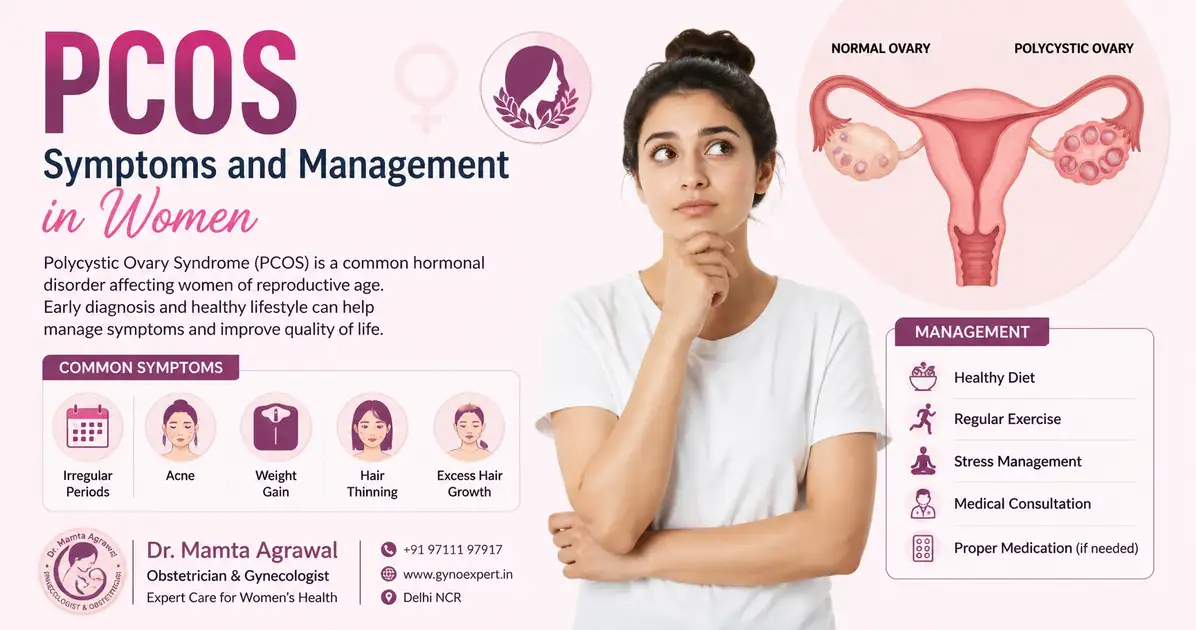
Why Exercise Is Important for PCOS
Exercise targets several root causes of PCOS rather than simply treating symptoms.
Regular physical activity helps:
- Improve insulin sensitivity
- Reduce insulin levels
- Lower testosterone levels
- Promote regular ovulation
- Improve menstrual cycles
- Reduce body fat
- Increase muscle mass
- Improve fertility
- Reduce stress hormones
- Improve sleep quality
- Lower cholesterol
- Reduce blood pressure
- Prevent Type 2 diabetes
- Improve mood and confidence
These benefits occur even if weight loss is modest.
How Exercise Improves Insulin Resistance
Approximately 70–80% of women with PCOS have insulin resistance.
When insulin levels remain high:
- Ovaries produce more testosterone
- Ovulation becomes irregular
- Weight gain becomes easier
- Fat storage increases
- Cravings become stronger
Exercise allows muscles to absorb glucose more efficiently without requiring excessive insulin.
💉 Since insulin resistance is one of the major causes of PCOS, understanding its role can help you manage the condition more effectively. Explore our complete guide on Hormonal Imbalance in Women to learn how hormones influence metabolism, ovulation, and menstrual healt
As insulin levels decrease:
- Testosterone production falls
- Ovulation improves
- Periods become more regular
- Energy levels increase
This makes exercise one of the cornerstone treatments for PCOS.
Benefits of Exercise for Women with PCOS
1. Supports Healthy Weight Loss
Weight gain is common in PCOS because hormonal imbalance slows metabolism and promotes fat storage.
Exercise:
- Burns calories
- Builds muscle
- Increases resting metabolic rate
- Reduces abdominal fat
Even a 5–10% reduction in body weight may significantly improve PCOS symptoms.
2. Helps Regulate Menstrual Cycles
Irregular periods are among the most common complaints in PCOS.
Exercise helps by:
- Improving insulin sensitivity
- Lowering androgen levels
- Supporting ovulation
- Balancing reproductive hormones
Many women notice more predictable menstrual cycles after several months of regular physical activity.
3. Improves Fertility
Women trying to conceive often benefit from regular exercise.
Exercise helps:
- Improve egg quality
- Encourage ovulation
- Reduce inflammation
- Improve uterine blood flow
- Support healthy pregnancy preparation
Combined with medical treatment when necessary, exercise can increase pregnancy chances.
👶 If you’re planning pregnancy, lifestyle modification is only one part of fertility care. Learn more in our complete guide on Planning a Healthy Pregnancy for expert advice on preconception health, nutrition, and medical check-ups.
4. Reduces Excess Male Hormones
High testosterone causes:
- Acne
- Facial hair
- Hair thinning
- Oily skin
Although exercise alone cannot completely normalize androgen levels, reducing insulin resistance often lowers testosterone naturally.
5. Improves Mental Health
Women with PCOS have higher rates of:
- Anxiety
- Depression
- Stress
- Low self-esteem
Exercise stimulates the release of:
- Endorphins
- Dopamine
- Serotonin
These hormones naturally improve mood and reduce anxiety.
6. Improves Sleep
Poor sleep worsens insulin resistance and hormonal imbalance.
Regular exercise:
- Helps you fall asleep faster
- Improves sleep quality
- Reduces fatigue
- Increases daytime energy
7. Reduces Risk of Diabetes
Women with PCOS have a significantly increased risk of developing Type 2 diabetes.
Exercise helps maintain healthy blood sugar levels and reduces future complications.
📅 Many women notice more regular periods after adopting a healthy exercise routine. If your cycles remain unpredictable, read our detailed guide on Irregular Periods: Causes, Symptoms & Treatment to understand when medical evaluation is necessary.
Best Types of Exercise for PCOS
Not all workouts provide identical benefits. The ideal program combines several forms of physical activity.
1. Brisk Walking
Walking is one of the simplest exercises for beginners.
Benefits include:
- Improves insulin sensitivity
- Burns calories
- Supports heart health
- Reduces stress
- Easy to maintain
Aim for:
30–45 minutes
5 days each week
2. Strength Training
Building muscle is especially beneficial for PCOS because muscles use glucose efficiently.
Examples include:
- Squats
- Lunges
- Push-ups
- Resistance bands
- Dumbbells
- Deadlifts
- Step-ups
Strength training:
- Increases metabolism
- Reduces fat percentage
- Improves insulin resistance
- Supports weight management
Perform resistance training:
2–3 sessions weekly.
3. High-Intensity Interval Training (HIIT)
HIIT alternates short bursts of intense activity with recovery periods.
Example:
- 30 seconds fast exercise
- 60 seconds slow recovery
- Repeat for 20–25 minutes
Benefits include:
- Burns more calories
- Improves cardiovascular fitness
- Enhances insulin sensitivity
- Saves time
Women who are beginners should gradually increase intensity.
4. Cycling
Cycling is excellent for women with joint pain or obesity.
Benefits include:
- Burns calories
- Improves cardiovascular health
- Low impact
- Supports weight loss
5. Swimming
Swimming provides full-body exercise without stressing joints.
Advantages:
- Improves endurance
- Burns calories
- Builds muscle
- Reduces joint pain
6. Yoga
Yoga addresses one of the overlooked contributors to PCOS—stress.
Chronic stress increases cortisol, which can worsen insulin resistance.
Yoga helps:
- Lower stress
- Improve flexibility
- Improve sleep
- Reduce anxiety
- Support hormone balance
Popular poses include:
- Butterfly Pose
- Cobra Pose
- Child’s Pose
- Bridge Pose
- Cat-Cow Stretch
- Supine Twist
🧘 Stress can worsen hormonal imbalance and irregular ovulation. Learn more about maintaining reproductive health by understanding your body’s natural hormonal rhythm in our article on Understanding Your Menstrual Cycle.
7. Pilates
Pilates strengthens the core while improving posture and flexibility.
Benefits include:
- Better muscle tone
- Reduced stress
- Improved body awareness
- Better balance
8. Dancing
Dance workouts make exercise enjoyable.
Benefits include:
- Cardiovascular fitness
- Weight management
- Mood improvement
- Better consistency
Weekly Exercise Plan for PCOS
A balanced weekly schedule may look like this:
Monday
Brisk walking + stretching
Tuesday
Strength training
Wednesday
Yoga
Thursday
Cycling or swimming
Friday
Strength training
Saturday
HIIT or dancing
Sunday
Gentle yoga or leisure walking
Consistency is far more important than perfection.
How Much Exercise Is Recommended?
Most experts recommend:
- 150–300 minutes of moderate exercise weekly
or
- 75–150 minutes of vigorous exercise
Plus:
- Two to three strength-training sessions every week
Avoid remaining sedentary for long hours.
Exercise and Weight Loss in PCOS
Many women become discouraged because they lose weight more slowly than others.
Remember:
- PCOS affects metabolism.
- Hormonal imbalance slows fat loss.
- Muscle gain may offset weight loss initially.
- Inches lost are often more important than kilograms.
Focus on:
- Waist circumference
- Energy levels
- Improved menstrual cycles
- Better laboratory reports
- Improved fitness
rather than only the number on the weighing scale.
⚖️ Even modest weight loss can improve ovulation, reduce insulin resistance, and regulate menstrual cycles. Read our guide on Early Pregnancy Symptoms if you’re trying to conceive after improving your PCOS health.
Should Lean Women with PCOS Exercise?
Absolutely.
Even women with normal body weight benefit because exercise:
- Improves insulin sensitivity
- Regulates ovulation
- Supports fertility
- Improves cardiovascular health
- Reduces future diabetes risk
Exercise is recommended regardless of body weight.
Best Time to Exercise
There is no universally “best” time.
Morning exercise:
- Improves consistency
- Increases metabolism
- Boosts energy
Evening exercise:
- Relieves stress
- Improves sleep
- Fits busy schedules
The best time is whenever you can exercise consistently.
What to Eat Around Workouts
Before exercise:
Choose light carbohydrates with some protein.
Examples:
- Banana
- Apple with peanut butter
- Greek yogurt
- Oats
- Sprouts
After exercise:
Focus on:
- Protein
- Healthy fats
- Fiber
Examples:
- Eggs
- Paneer
- Lentils
- Grilled chicken
- Tofu
- Milk
- Nuts
Adequate hydration is equally important.
🥗 Exercise works best when combined with healthy eating. Check out our PCOS Diet Guide to discover the best foods that improve insulin sensitivity, support weight management, and promote hormonal balance.
Can Exercise Reverse PCOS?
PCOS is a chronic condition and cannot be permanently cured.
However, regular exercise can significantly improve:
- Hormonal balance
- Menstrual regularity
- Ovulation
- Weight management
- Fertility
- Insulin resistance
- Metabolic health
- Quality of life
Many women experience substantial symptom improvement with sustained lifestyle changes.
🌸 Although PCOS cannot be permanently cured, many women successfully control symptoms through long-term lifestyle changes. Learn about other common Menstrual Problems that may also require evaluation and treatment.
Common Exercise Mistakes in PCOS
Avoid these common pitfalls:
Exercising only occasionally
Consistency matters more than intensity.
Overtraining
Excessive workouts without adequate recovery may increase stress hormones and fatigue.
Ignoring strength training
Only doing cardio misses the metabolic benefits of muscle-building exercises.
Skipping warm-up and cool-down
This increases the risk of injury.
Following unrealistic workout plans
Choose activities you enjoy and can sustain long term.
Staying Motivated
Long-term success comes from creating sustainable habits.
Tips include:
- Set realistic goals
- Track your workouts
- Exercise with a friend
- Join fitness classes
- Listen to music or podcasts
- Celebrate small achievements
- Focus on health rather than only weight
Remember that improvements in energy, mood, sleep, and menstrual regularity often appear before visible weight loss.
When to Consult a Doctor
While exercise is generally safe, consult a gynecologist or healthcare professional if you experience:
- Severe pelvic pain during exercise
- Persistent irregular bleeding
- Dizziness or fainting
- Chest pain or breathlessness
- Significant joint pain
- Difficulty exercising due to obesity or other medical conditions
A personalized treatment plan combining lifestyle changes, nutritional guidance, and medical therapy offers the best outcomes for women with PCOS.
👩⚕️ Persistent irregular periods, infertility, excessive hair growth, acne, or difficulty losing weight should not be ignored. A timely consultation with an experienced gynecologist can help identify the underlying cause and create a personalized treatment plan.
Conclusion
Exercise is one of the most powerful lifestyle interventions for managing PCOS naturally. Whether your goal is to regulate periods, improve fertility, lose weight, reduce insulin resistance, or simply feel healthier, regular physical activity can make a significant difference.
The key is consistency rather than perfection. Combining aerobic exercise, strength training, flexibility exercises, and stress management provides the greatest benefits. Along with a balanced diet, adequate sleep, and appropriate medical care, exercise can help you regain control of your hormonal health and improve your overall quality of life.
If you have PCOS and are unsure where to begin, consult an experienced gynecologist who can create a personalized treatment plan tailored to your symptoms, fitness level, and reproductive goals.
📚 Read More About PCOS & Women’s Health
🌸 PCOS affects much more than menstrual cycles. Understanding the condition can help you make informed decisions about lifestyle changes, fertility, and long-term health.
🥗 Exercise and nutrition work together for better hormonal balance. Learn how healthy eating complements your workout routine in our guide to PCOS Symptoms and Management:
📅 Many women with PCOS experience irregular periods. Read our detailed article on Menstrual Problems: Causes, Symptoms & Treatment to understand when irregular bleeding needs medical attention:
🩺 Understanding your body’s natural hormonal rhythm can help you recognize ovulation and cycle changes. Read Understanding Your Menstrual Cycle: A Complete Guide for Women:
👶 If you’re planning pregnancy after improving your PCOS symptoms, our What to Expect During Pregnancy: A Complete Guide for First-Time Moms explains every trimester in detail:
🤰 If you’ve recently conceived, learn which symptoms are normal in early pregnancy by reading Early Pregnancy Symptoms Week by Week: What’s Normal and What’s Not:
Frequently Asked Questions (FAQs)
1. What is the best exercise for PCOS?
There is no single best exercise for PCOS. A combination of aerobic exercises (such as brisk walking, cycling, or swimming), strength training, and flexibility exercises like yoga provides the greatest benefits. This combination helps improve insulin sensitivity, supports weight management, and promotes hormonal balance.
2. Can exercise help regulate irregular periods in PCOS?
Yes. Regular exercise can improve insulin resistance and reduce excess androgen levels, which may help restore ovulation and make menstrual cycles more regular. Results usually become noticeable after several weeks or months of consistent physical activity.
3. How much exercise should women with PCOS do each week?
Women with PCOS should aim for at least 150–300 minutes of moderate-intensity exercise or 75–150 minutes of vigorous exercise each week. Strength training should also be included at least two to three times weekly for optimal metabolic and hormonal benefits.
4. Is walking enough to manage PCOS?
Brisk walking is an excellent starting point and can improve cardiovascular health, insulin sensitivity, and weight management. However, combining walking with resistance training and flexibility exercises generally provides better long-term results for managing PCOS symptoms.
5. Can exercise reduce belly fat caused by PCOS?
Yes. Regular exercise, especially when combined with a healthy diet, helps reduce abdominal fat by improving metabolism and insulin sensitivity. Strength training is particularly effective because it increases muscle mass and boosts calorie burning even at rest.
6. Is strength training safe for women with PCOS?
Absolutely. Strength training is one of the most effective forms of exercise for PCOS. It helps build lean muscle, improve insulin resistance, increase metabolism, and support healthy hormone levels. Beginners should start with lighter weights or resistance bands under proper guidance.
7. Can women with lean PCOS benefit from exercise?
Yes. Even women who are not overweight can have insulin resistance and hormonal imbalances associated with PCOS. Regular exercise improves metabolic health, supports ovulation, enhances fertility, and reduces the long-term risk of diabetes and heart disease regardless of body weight.
8. Does yoga help with PCOS?
Yes. Yoga helps reduce stress, lower cortisol levels, improve sleep quality, and enhance overall mental well-being. While yoga alone may not replace aerobic or strength exercises, it is an excellent addition to a comprehensive PCOS fitness routine.
9. Can exercise cure PCOS permanently?
No. PCOS is a lifelong hormonal condition and currently has no permanent cure. However, regular exercise, along with a balanced diet and appropriate medical treatment, can effectively control symptoms, improve menstrual regularity, support fertility, and reduce the risk of long-term health complications.
10. How long does it take to see results from exercise in PCOS?
Many women notice improvements in energy levels, mood, and fitness within a few weeks. Changes in menstrual regularity, weight, insulin sensitivity, and hormone balance typically take 8–12 weeks or longer with consistent exercise and healthy lifestyle habits.
Medical Disclaimer
This article is intended for educational purposes only and should not replace consultation with a qualified obstetrician and gynecologist. Decisions regarding medical abortion, including the choice of medicines, timing, and follow-up, should always be based on individual clinical assessment, pregnancy duration, ultrasound findings, and current medical guidelines. Never use abortion medication without appropriate medical supervision.
